Selling a Home in Boise As-Is vs. Making Repairs: How to Decide
Should you sell your Boise home as-is or make repairs first? Compare the tradeoffs, costs, timing, and selling options before deciding.
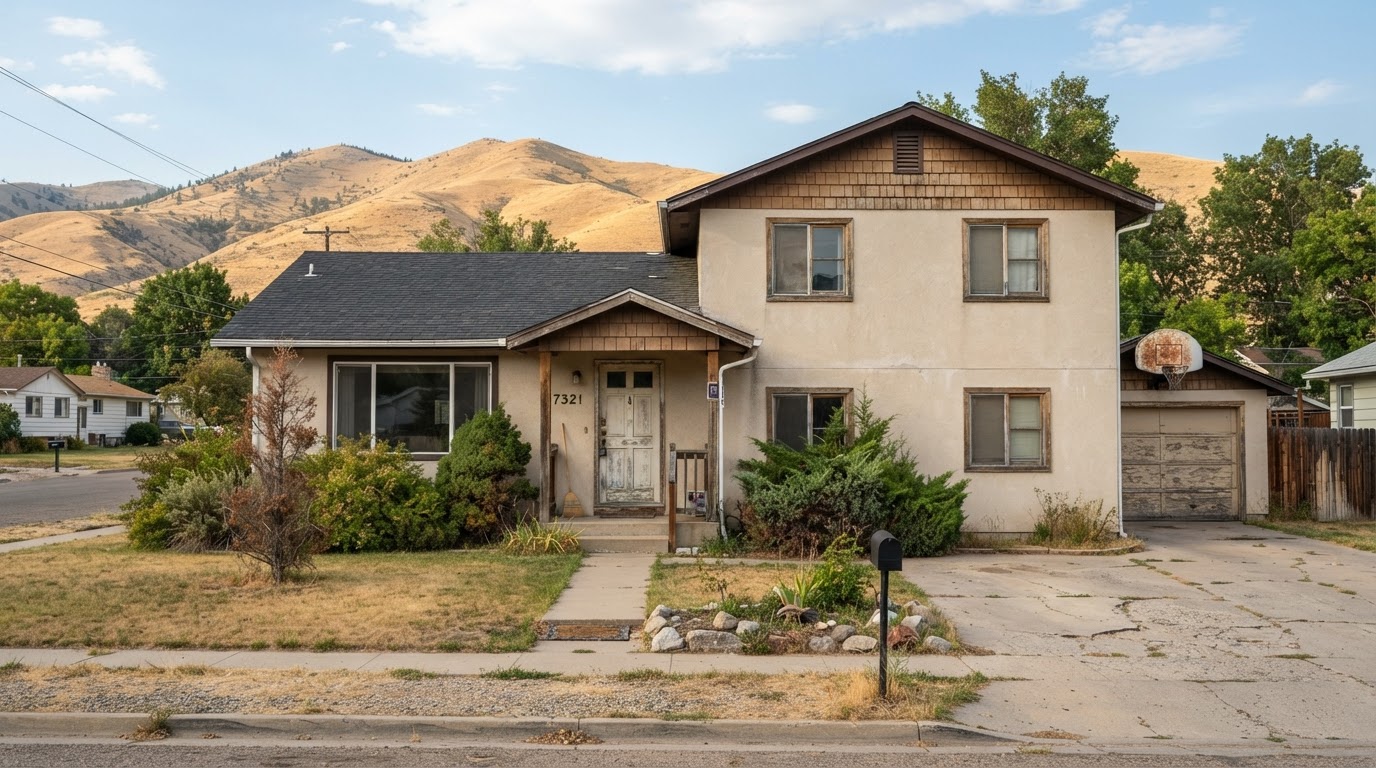
Homeowners often assume they must choose between fixing everything before listing or doing nothing and selling as-is. In reality, there is usually a range of options between those extremes.
The right approach depends on your home's current condition, the severity of needed repairs, your timeline, available budget, competing listings, expected buyer expectations, and your tolerance for managing projects. A home in Boise's North End may present different considerations than a newer property in Meridian or a larger-lot home in Star.
Is It Better to Sell a Boise Home As-Is or Make Repairs First?
Neither approach is automatically better. Selling as-is may reduce upfront cost, preparation time, and disruption, while making selected repairs can sometimes improve presentation, reduce buyer uncertainty, and strengthen how the home competes with similar listings. The right decision depends on the property and the seller's priorities.
What Does Selling a Home As-Is Actually Mean?
Selling as-is generally means the seller is offering the property in its current condition and is not planning to make certain repairs or improvements before closing. It does not eliminate disclosure requirements or automatically prevent a buyer from conducting inspections.
Buyers may still conduct inspections, ask questions, or request changes depending on the contract and situation. Exact obligations depend on the transaction, so review specific contract obligations with the appropriate real estate and legal professionals.
Why Some Sellers Choose to Sell As-Is
There are practical reasons a homeowner may choose to sell with limited preparation:
- Limited time before needing to list
- Desire to avoid renovation projects
- Limited upfront budget for improvements
- Property inherited through an estate
- Downsizing or relocating
- Vacant property
- Significant deferred maintenance
- Preference for a simpler process
Potential Advantages of Selling As-Is
Selling with limited preparation may offer:
- Less upfront spending
- Faster preparation
- Fewer projects to coordinate
- Less disruption
- Ability to let the buyer make their own design choices
- Simpler path for a property requiring substantial work
Potential Tradeoffs of Selling As-Is
Selling as-is may also involve tradeoffs:
- Some buyers may factor repair costs into their offer
- Property may compete differently against updated homes
- Visible condition can affect first impressions
- Financing or property-condition requirements may matter in some transactions
- Buyer pool may differ depending on the scope of work needed
Certain property-condition issues may matter differently depending on the buyer's financing and the specific transaction.
When Making Repairs Before Listing May Make Sense
Selected repairs may be worth considering when a problem is obvious, affects function, or could distract buyers from the rest of the home. If competing listings are in stronger condition, or a visible defect could affect photography or the showing experience, addressing it before listing may help.
Examples may include active leaks, broken fixtures, damaged doors, visible drywall damage, nonfunctioning lights, missing hardware, heavily damaged flooring, or minor exterior maintenance. For a more detailed breakdown of what may be worth fixing, read Preparing Your Boise Home to Sell in 2026: What to Fix, Update, and Skip.
When a Repair May Not Be Worth Making
Sellers should not automatically repair every dated or imperfect feature. A repair or update may be worth reconsidering when:
- The item is functional and primarily cosmetic
- The improvement is expensive relative to its likely market impact
- The work could substantially delay listing
- Buyers may prefer selecting their own finishes
- The renovation scope is becoming larger than originally planned
- The seller does not want to manage the work
How Buyers May View an As-Is Home
Buyer reactions depend on condition, price, location, scope of work, available competing inventory, buyer renovation tolerance, financing, and individual preferences. Different buyers evaluate repair needs differently, which is why condition should be considered alongside pricing and market position.
How Pricing Fits Into the Decision
Condition and pricing need to work together. An updated home and an as-is home may attract different buyer attention depending on competing inventory, visible condition, property-specific features, buyer expectations, and the current market environment.
Pricing strategy should consider the property as a whole rather than simply subtracting estimated repair costs from market value. Understanding your home's current market position and comparing selling options can help clarify the right approach.
Should You Get Estimates Before Deciding?
Yes, estimates can sometimes help. Before deciding whether to proceed with a repair, it can be useful to understand what the work will cost, how long it will take, whether it will delay listing, whether multiple contractors are needed, and whether a simpler alternative exists.
Consider whether the likely market benefit justifies the effort and expense. Not every project needs to be completed before a home can be listed.
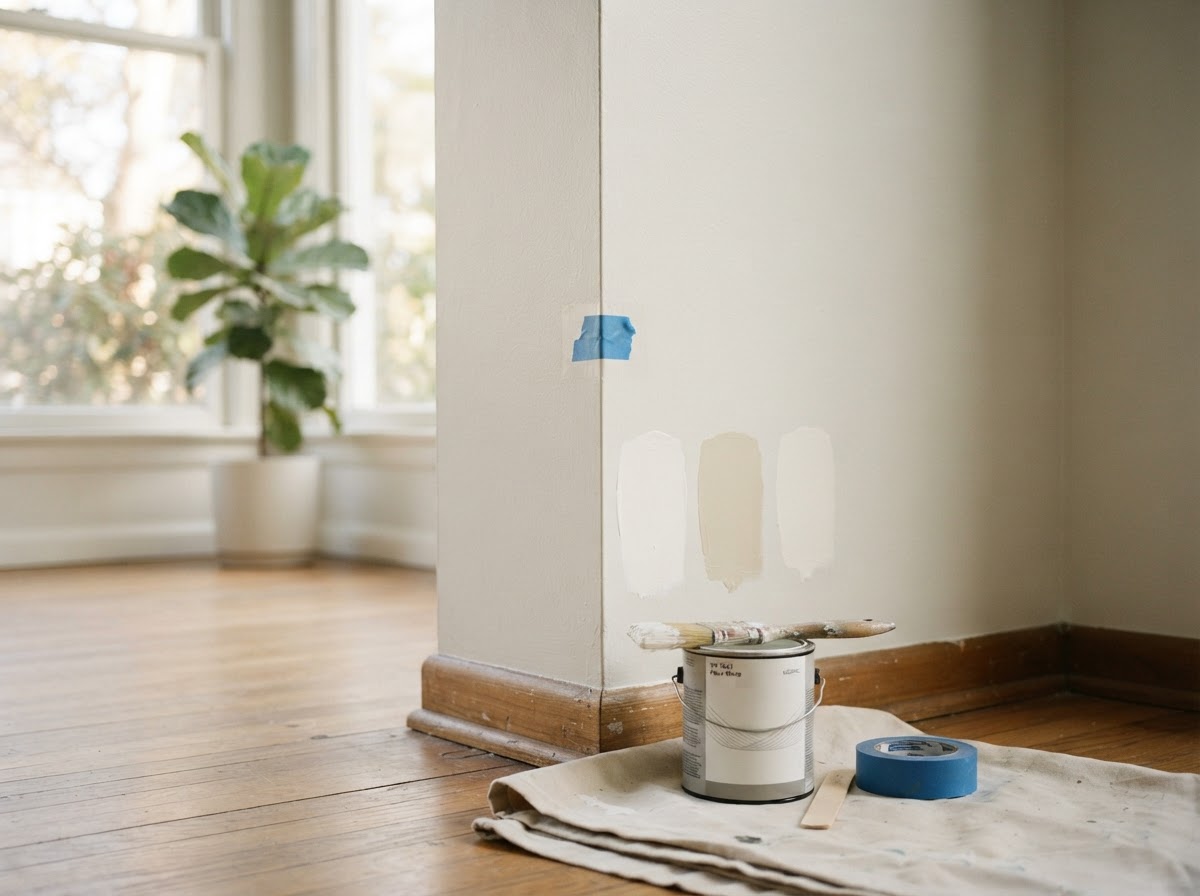
What If the Home Needs More Than Minor Repairs?
Homeowners with more substantial preparation needs may want to compare multiple selling paths. These may include selling largely as-is, completing selected repairs, completing more substantial improvements, or exploring a Renovate & Sell option. You can also compare other available selling options to understand which path fits your situation.
Selling As-Is vs. Renovate & Sell
Selling as-is may prioritize simplicity, speed of preparation, and lower upfront project involvement. Renovate & Sell may be worth exploring when selected improvements could improve presentation or competitive positioning, the seller wants help coordinating preparation, or the scope is larger than simple touch-ups.
Availability and terms vary, and property review may be required. Neither approach is automatically better; the right fit depends on the home, timeline, and seller priorities.
How Do You Decide Whether to Sell As-Is or Make Repairs?
Use these questions to evaluate each potential repair or selling path:
- Is the issue functional, safety-related, or primarily cosmetic?
- How visible is it to a buyer?
- How does the home compare with competing listings?
- What will the repair cost?
- How long will the repair take?
- Will completing the work delay the sale?
- Does the seller have the time and desire to manage the project?
- Could a smaller repair solve the presentation issue?
- Would buyers likely want to customize the feature themselves?
- Are there alternative selling programs worth comparing?
This framework helps sellers make a property-specific decision rather than following a universal rule.

Sylvia's Perspective
When I look at a home with a seller, I do not start by assuming everything needs to be fixed. I look at what is functional, what buyers are likely to notice, how the home compares with current competition, and what it would take to complete the work.
Sometimes a few targeted repairs make sense. In other situations, selling with limited preparation may be the better fit for the seller's timeline and priorities. The important part is understanding the tradeoffs before spending money or delaying the sale.
Frequently Asked Questions
What does selling a house as-is mean in Idaho?
Can I sell my Boise home without making repairs?
Do I have to fix everything found during an inspection?
Will buyers purchase a home that needs repairs?
Should I make repairs before selling or lower the price?
How do I decide which selling option makes sense for my home?

About Sylvia Dorrance
Sylvia Dorrance is a Boise-area REALTOR® with eXp Realty serving Boise, Eagle, Meridian, Star, the Boise Foothills, and the Treasure Valley. She helps homeowners compare property preparation, pricing, marketing, and selling options based on their home, timeline, and priorities.
Not Sure Whether to Sell As-Is or Make Repairs First?
Before investing time and money into repairs, it can help to compare the condition of your home, your timeline, current competition, and the different ways you could prepare for the market.