
 By Sylvia Dorrance, REALTOR®, eXp Realty
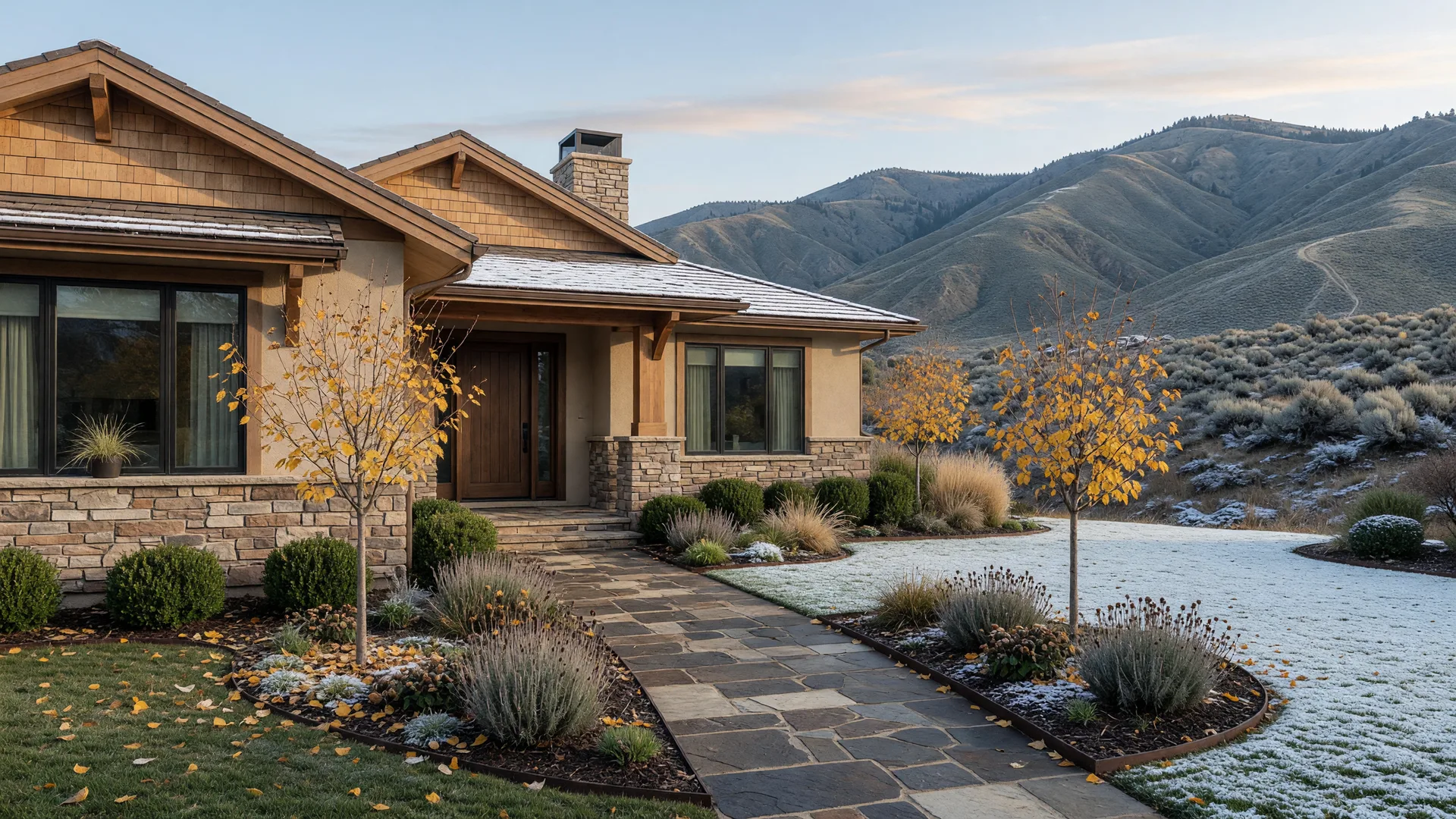
Homes in the Boise area, known locally as the Treasure Valley, get real winters, and the maintenance that protects a house is mostly a fall job. Work through the exterior first, then the furnace, then the pipes, and winter becomes a season of small checks instead of surprises. This guide covers fall exterior work, heating, pipes, doors and windows, and safety, with a month-by-month table at the end.
Fall exterior
The outside of the house is where winter damage starts, and October is the month to walk the property. Clear gutters and downspouts so melting snow and ice have somewhere to go; clogged gutters back up under the roofline and can cause ice dams. While you are up there, look at the roof for loose, cracked, or missing shingles and any spots where flashing has pulled away. Small roof issues are cheap to fix in October and expensive in January. Check that downspout extensions carry water away from the foundation, and that grading around the house drains away from the walls.
Many Boise-area homes have pressurized irrigation that the irrigation district or HOA shuts off each fall. Check your district's shutoff date and blow out your lines before the first hard freeze. Here is how irrigation water works in the Boise area , including who shuts it off and what a blowout involves.
Heating
Have your furnace serviced once a year, before the cold weather arrives. A technician checks the burner, heat exchanger, and venting, and catches problems while you still have time to schedule a repair. Technicians book up fast in October, so call early. Check the filter monthly through the heating season and replace it when it looks dirty; Idaho Power recommends checking it regularly because a dirty filter makes the system work harder and costs more to run. If you have a wood-burning fireplace or stove, have the chimney inspected and cleaned before the first fire.
Pipes
Frozen pipes are the most expensive surprise a Boise winter can deliver, and the American Red Cross guidance is straightforward. Insulate exposed pipes in unheated spaces such as crawl spaces, garages, and exterior walls. When you are away, keep the thermostat set to no lower than 55°F, day and night. On the coldest nights, open kitchen and bathroom cabinet doors so warm air reaches the pipes, and let a faucet drip if the pipes run along an exterior wall. Drain and store garden hoses, and shut off and drain exterior spigots before the freeze.
Doors and windows
Drafts are where heat escapes and where cold finds its way in. Replace worn weatherstripping around doors, and caulk gaps where trim meets siding and where window frames meet the wall. A simple test: on a windy day, run your hand along the edges of doors and windows and you will feel the leaks. Add a door sweep to the bottom of exterior doors if light shows underneath, and consider storm windows or window film for older single-pane glass. Sealing drafts is a weekend project that pays for itself in comfort and in the heating bill.
Safety
Test smoke alarms and carbon monoxide detectors before heating season starts, and replace batteries as needed. The National Fire Protection Association recommends smoke alarms inside every sleeping room, outside each sleeping area, and on every level of the home, and CO alarms in a central location outside each sleeping area. For snow, have a plan before the first storm: a shovel or snow blower, ice melt for walkways, and traction for steps and paths. Check your city's rules for sidewalk clearing, since requirements vary by municipality.
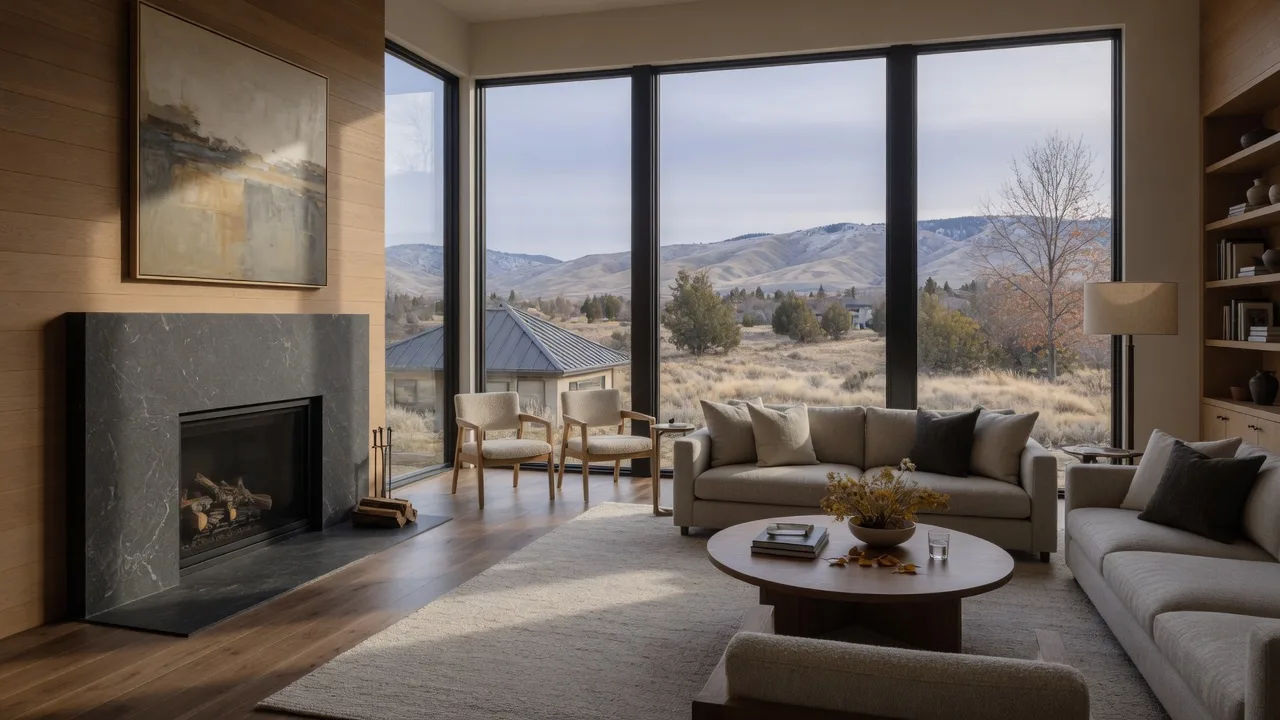
Fall tasks vs. winter tasks, month by month
| Month | Fall tasks | Winter tasks |
|---|---|---|
| September | Clear gutters and downspouts; inspect the roof; schedule furnace service. | Stock ice melt and shovels before the first storm. |
| October | Blow out irrigation lines before the first hard freeze; caulk and weatherstrip. | Test smoke and CO detectors; review your snow plan. |
| November | Drain and store hoses; insulate exposed pipes. | Check the furnace filter monthly; keep the thermostat at 55°F or higher when away. |
| December | Final walk of the exterior before deep cold. | Open cabinet doors on cold nights; clear walkways after snow. |
| January | Check the roof for ice dams after storms. | Keep filters clean; treat walkways for traction. |
| February | Plan spring exterior repairs. | Watch for frozen pipes; keep vents and meters clear of snow. |
None of this requires a contractor for every item. Gutter clearing, weatherstripping, hose draining, and detector tests are do-it-yourself jobs that take an afternoon. The furnace service, chimney cleaning, and irrigation blowout are worth hiring out, and the peace of mind is part of the price. The goal is simple: close up the house for winter while the weather is still cooperating.
Sylvia's take
Homes in the Boise area get real winters, and the ten minutes you spend walking your property in October saves a lot of headaches in January. When in doubt, tackle the outdoor work first, then the furnace, then the pipes.
Frequently asked questions
When should I have my sprinkler system blown out?
After your irrigation district or HOA shuts off the water for the season and before the first hard freeze. Many Boise-area districts shut off in the fall, so check your district's shutoff date and schedule the blowout before the ground freezes.
Should I leave the heat on while I am away in winter?
Yes. The American Red Cross recommends keeping the thermostat at no lower than 55°F, day and night, even when the house is empty. Turning the heat off entirely risks frozen pipes and the water damage that follows.
How often should I change my furnace filter?
Check it monthly through the heating season and replace it when it looks dirty, at least every three months. A clean filter keeps the system running efficiently and helps the air stay cleaner.
How do I keep pipes from freezing?
Insulate exposed lines, keep the thermostat at 55°F or higher, and open cabinet doors on cold nights so warm air reaches the pipes. If a pipe does freeze, the American Red Cross guidance covers how to thaw it safely.