
 By Sylvia Dorrance, REALTOR®, eXp Realty
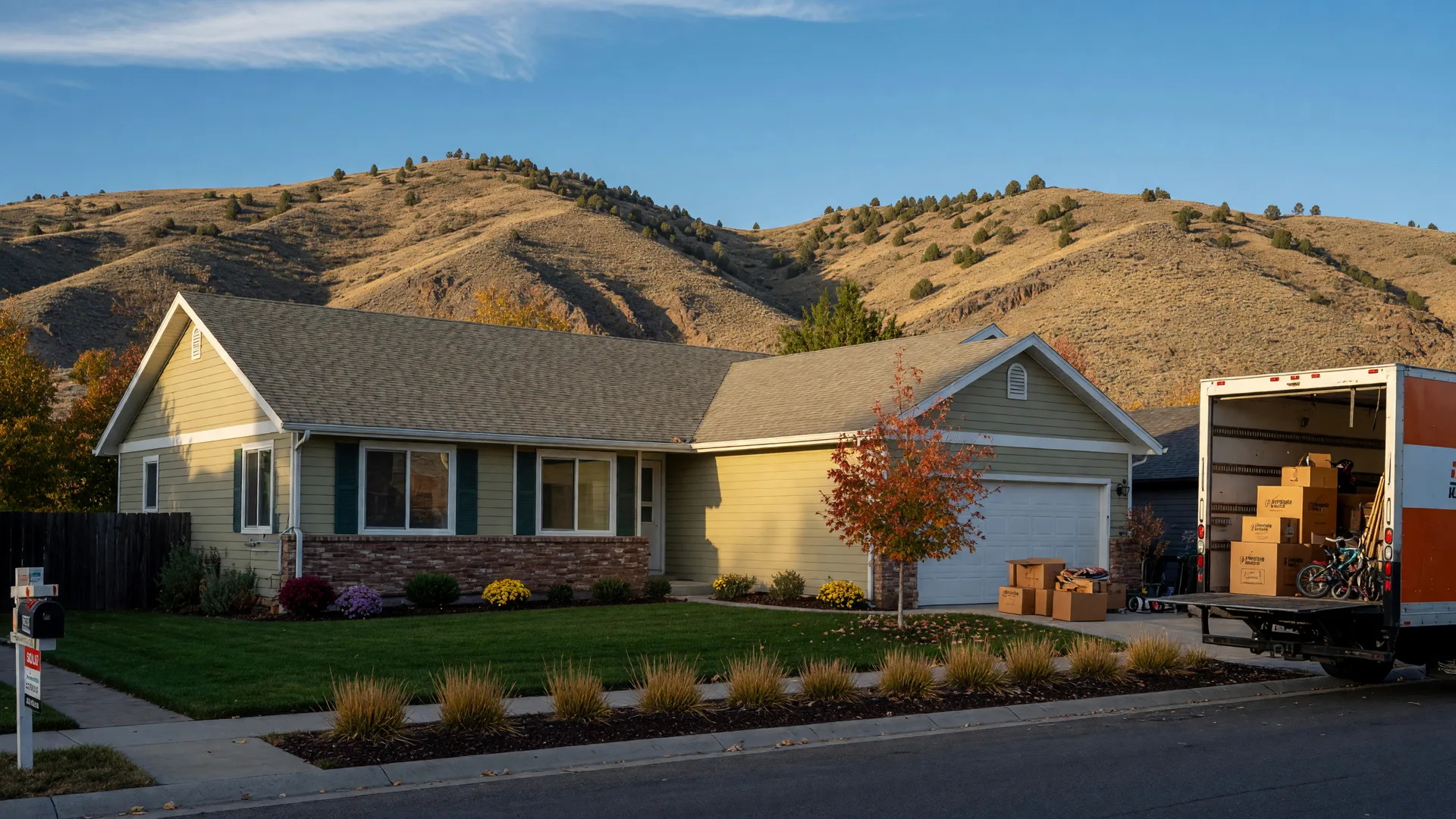
Sell before you move, or after?
There is no single right answer, but the choice shapes your timeline, your budget, and how much work you can do in person. Weigh the trade-offs before you decide.
Here is how the two paths compare at a glance.
| Detail | Sell before you move | Sell after you move |
|---|---|---|
| Timing | You control the listing pace and aim to close before moving day | You list once you're settled, with no overlap with moving day |
| Showings | Your agent manages showings while you wrap up the move | Your agent manages showings of a vacant or rented home |
| Carrying costs | Mortgage, taxes, and insurance end at closing | You carry the home's costs until it sells |
| Using your proceeds | Equity is available for your next purchase | Proceeds arrive after the sale closes |
| Home condition | You can prep in person before you leave | Prep must be finished before you go and maintained from afar |
If your budget allows, give yourself a gap between your move date and your listing date so you're not doing both at once. If you need the equity from this sale to buy your next home, selling first may be the cleaner path.
If the home will sit vacant
A home that sits empty needs a different kind of care. Four things to handle before you go:
- Insurance: ask your homeowners carrier about vacancy rules. Some policies limit coverage after a home has been unoccupied for a set period, so tell your agent the home will be vacant and confirm what your policy covers.
- Utilities: keep power, heat or air conditioning, and water on for showings, inspections, and appraisals.
- Winter: if the home will be empty during cold months, take the same steps you would for any seasonal home, from heat settings to pipes.
- Curb appeal: arrange snow removal and yard care so the home keeps its curb appeal for buyers and stays welcoming to neighbors.
For the cold-weather checklist, walk through my fall and winter home maintenance guide , which covers heat settings, pipes, and the rest of the seasonal routine for a Boise-area home.
Prepare the home to show well from afar
Preparation matters even more when you can't be there to manage showings. Declutter and deep-clean before you leave, make the small repairs that would otherwise surface in an inspection, and keep the paint and finishes neutral so buyers can picture themselves in the home.
If the home will be vacant, consider light staging so the rooms read full and usable in photos and tours. Staged rooms photograph better, show better on video calls, and help out-of-state buyers gauge furniture placement and room proportions even when they cannot walk through in person.
Choose an agent who handles remote sellers
This is the most important decision you'll make. A local agent who regularly works with out-of-state sellers will manage showings, coordinate with the title company, keep you updated, and flag issues before they become problems.
Before you commit, ask how often you will hear from them, how they run showings when you are gone, and how many remote closings they have handled. Their answers should be specific: a showing schedule, a communication rhythm, and a track record, not general assurances.
Price it to move
Without the benefit of being in the local market, it's tempting to anchor on what you paid or what a neighbor listed at. Your agent will price your home against current local sales data in your neighborhood, and checking the data rather than your memory of the market is what keeps a remote sale from stalling.
The seller disclosure still applies
Selling remotely doesn't change your disclosure duties. Idaho's seller property condition disclosure still applies, so complete it fully and accurately even though you're out of state, and ask your agent or title company early if you have questions about any item. If you are weighing how much to fix before you list, my guide to selling as-is versus making repairs walks through the trade-offs.
Close from across the country
Idaho notaries may perform remote online notarizations, which is one reason out-of-state closings can work smoothly. Your title company and lender decide which documents can be signed electronically or remotely, so confirm the process with both early.
From there, you can typically sign electronically or use a mobile notary near your new home, and return documents by a method both parties agree on ahead of time. Sorting this out before you leave makes closing day a formality rather than a scramble.
Plan your move around the closing
If you're selling before you move, line up your moving date after closing and build in a little cushion in case the date shifts. If you're buying at the same time, coordinate both closings so you're not carrying two homes at once or left without a place to live.
Sylvia's take
As your REALTOR® with eXp Realty, I help you evaluate your home's value, prepare it to show well, and manage the sale from start to finish even when you're out of state. I'll keep you updated at every step and coordinate with your title company and lender so signing and closing go smoothly from wherever you are.
Frequently asked questions
Can I really sell my Boise home without being there?
Yes. With a local agent handling showings and coordination, plus electronic signing and mobile notary options, most of the sale can be managed from another state.
Should I sell before or after I move?
It depends on your timeline and finances. Selling before gives you proceeds toward your next home but adds timing pressure; selling after gives you more breathing room but means managing an empty or rented home from afar.
Do I need to be present for closing?
Not necessarily. Idaho notaries may perform remote online notarizations, but your title company and lender decide which documents can be signed electronically or remotely, so confirm the process with both early.
What if the home sits empty while it's for sale?
Handle the four vacant-home items first: confirm insurance coverage, keep utilities on, winterize if needed, and arrange snow removal and yard care.