
Neighborhood · Boise
Warm Springs: Boise's river avenue of century-old character homes
Warm Springs is the historic corridor running east from downtown Boise along the river, with the foothills rising behind it. It is known for century-old character homes within the Warm Springs Avenue Historic District, with newer, larger builds further out toward Barber Valley. The avenue is one of Boise's most distinctive addresses: city-close, river-adjacent, and steeped in a hundred years of local history.
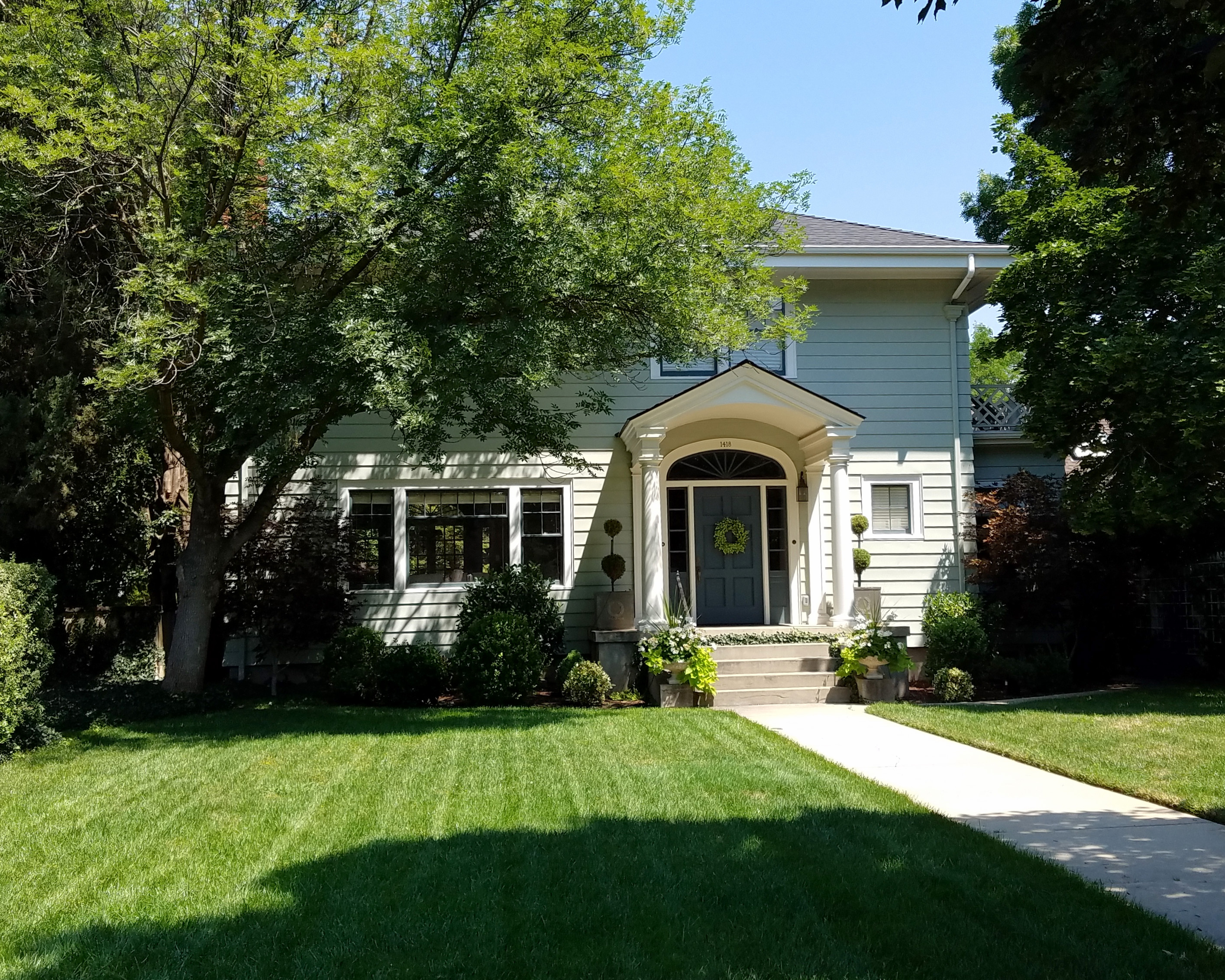
Photo: Alfred Budge House, Warm Springs Avenue Historic District, via Wikimedia Commons
Living on Warm Springs
Where is Warm Springs?
Warm Springs Avenue starts just east of downtown and runs east along the south edge of the East End foothills to the Boise River, where it meets Highway 21 at the century-old Boise River Diversion Dam, the gateway to Barber Valley. The avenue carries the greenbelt's Warm Springs Pathway beside it, and the foothills of Table Rock rise above the corridor. It is covered alongside the rest of the city in our Boise guide.
Life on the avenue balances city proximity with a river-and-foothills setting: downtown's restaurants and shops are minutes west, while the river, the pathway, and the hills are right outside the door. To compare Warm Springs with the rest of the Valley, start at the communities hub.
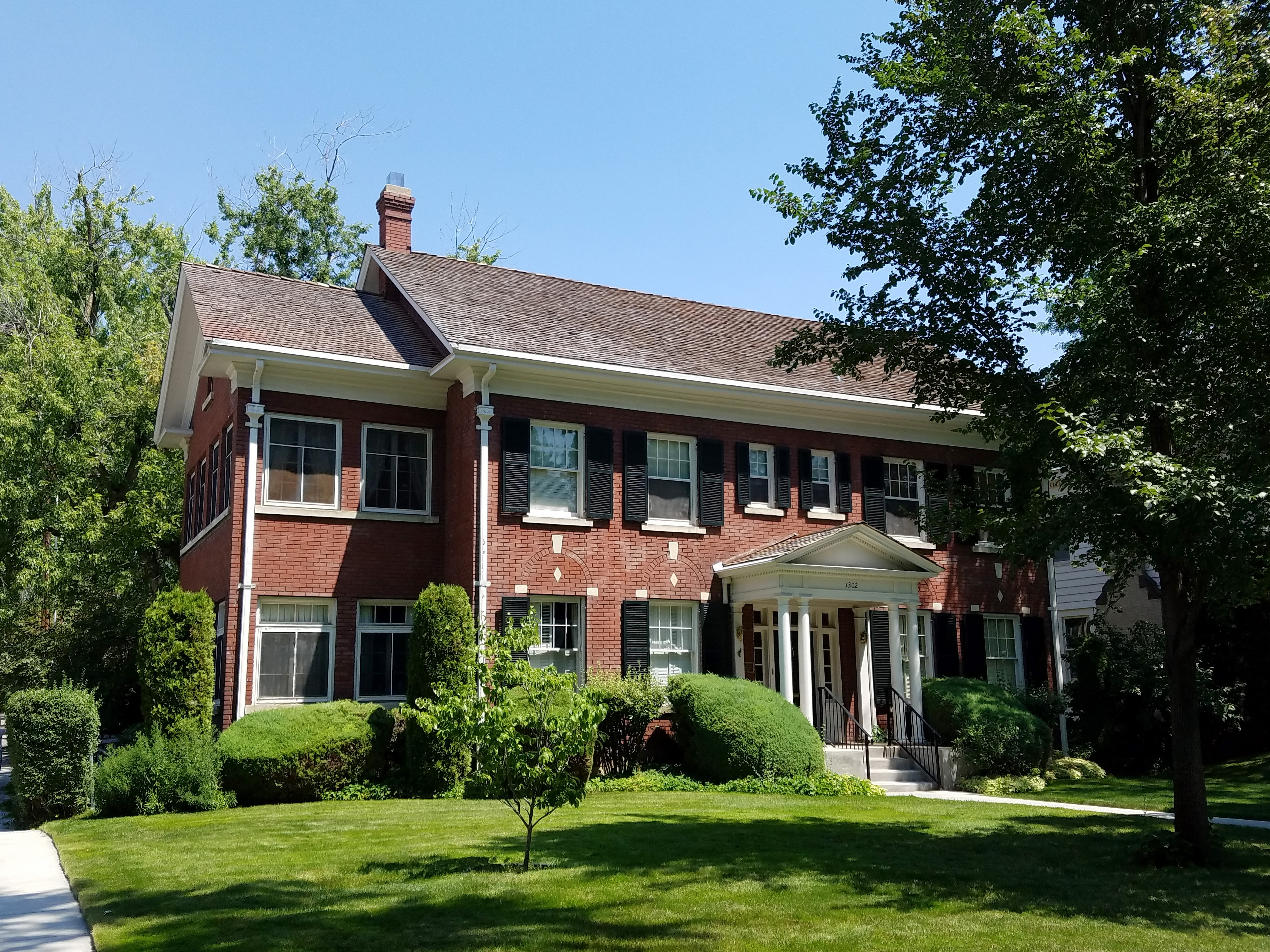
Photo: Charles C. Cavanah House, Warm Springs Avenue Historic District, via Wikimedia Commons
Character & architecture
Character and architecture
Warm Springs Avenue is one of Boise's oldest and most storied streets. The avenue takes its name from Kelly Hot Springs, and in the 1890s a water line tapped those springs for the city's fire hydrants. The people who built along the line put the same naturally hot water to work heating their homes, which made these among the first houses anywhere to be heated geothermally, and the district still operates as the nation's oldest geothermal district-heating system.
The housing stock reflects that history. Mature trees line the wide, tree-lined avenue, and the older blocks hold grand turn-of-the-century residences alongside more modest bungalows, with newer infill and larger builds appearing further out. Buyers should look closely at each individual home, because age and condition differ from house to house: some are freshly updated, while others offer a historic home's charm with the understanding that updating may be part of the plan.
A century of architecture
The Warm Springs Avenue Historic District, listed on the National Register of Historic Places in 1980, holds roughly 96 contributing houses built between about 1870 and 1940, many in Queen Anne, Colonial Revival, Tudor Revival, bungalow, and Mission styles.
Geothermal heritage
Since 1892 the Warm Springs Water District has piped naturally hot water from the foothills springs to heat East End homes, an early geothermal district system that still serves about 300 homes today.
Old and new, block by block
Closer in, the historic district anchors the street. Further east toward Barber Valley, the character shifts to newer, larger builds on bigger lots, so the corridor offers two genuinely different ways to live.
Getting around
River, foothills, and the city close
Warm Springs pairs a genuinely outdoors setting with easy access to the city core. From the avenue you can be at the river or on a foothills trail in minutes, and downtown is a short drive west. That combination, city energy with a river-and-hills backdrop, is the heart of the neighborhood's appeal.
Outdoors on your doorstep
The river and the foothills
- The Warm Springs Pathway, a Greenbelt connector, runs along the avenue for walks, runs, and bike rides.
- The Boise River Diversion Dam, built in 1909, marks where the avenue meets the river, minutes from Barber Valley.
- Barber Park, a short drive east, is the classic summer put-in for floating the Boise River.
- The foothills rise behind the neighborhood, keeping trailheads and views close without leaving the city.
City close
Downtown a short drive away
- Downtown Boise is minutes west along the avenue, with restaurants, shops, coffee, and the Basque Block.
- The corridor sits close enough to the city center that errands and evenings are an easy drive.
- Flying M Coffee House downtown is a favorite stop for coffee before heading back up the avenue.
Flying M Coffee House sits at 500 W Idaho Street downtown, an easy stop on the way into the city.
The neighborhood feel
Lifestyle and community feel
Warm Springs has a strong sense of place built over more than a century. It is an established corridor where the wide, tree-lined avenue, the rhythm of the river, and the foothills above give every day a settled, distinctive character. The mix of grand historic residences, modest bungalows, and newer builds further out means the street feels varied and lived-in rather than uniform.
It appeals to buyers who want real history and architecture within minutes of downtown, plus daily access to the river and hills. For anyone moving to the area, Warm Springs is worth comparing with the other intown and suburban options in our relocation guide.
A good fit when
- You want one of Boise's most established streets, with real history and architecture minutes from downtown.
- You value the river and foothills within reach every day, with the city close by.
- You are comfortable looking closely at each home, since the corridor spans a wide range of ages, sizes, and conditions.
The honest look
A few things to consider
Warm Springs is an established corridor, and that comes with honest trade-offs to plan for. Because much of the historic stock is more than a century old, maintenance and updating are part of the picture, so it helps to factor condition and the age of systems into your decision from the start.
- Most of the historic inventory is more than a century old, so condition, the age of systems, and maintenance vary from house to house.
- Geothermal service is a signature of the area, so it is worth understanding how the current owner's heating setup works at the specific address.
- Further out toward Barber Valley, newer homes trade the historic setting for larger lots and different price points, so budget and preference decide which stretch fits.
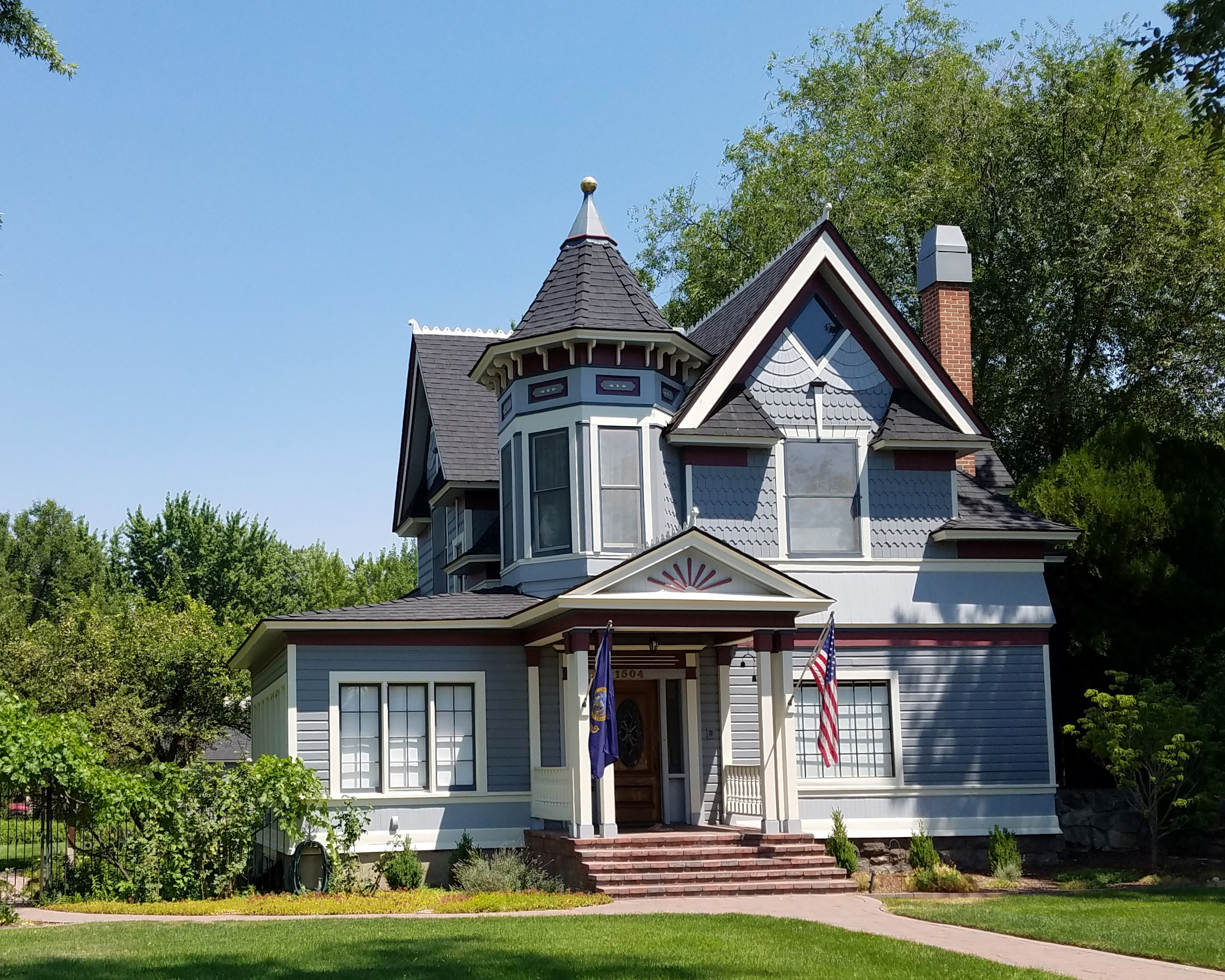
Photo: Edward Payne House, Warm Springs Avenue Historic District, via Wikimedia Commons
Properties vary widely across the corridor, so seeing each home in person matters. Lot size, home size, condition, and price all differ from house to house, and the right fit depends on your budget and your appetite for updates. I can help you weigh what a home needs against what it offers before you commit, and I will lay the trade-offs out plainly so you feel informed rather than pressured. For a current read on Boise market conditions, see the Boise market report.
Homes on Warm Springs
Looking along Warm Springs?
Whether you want a historic home on the avenue or a newer build further out, I would love to help you compare the stretch of the corridor that fits and tour only the homes worth your time. Bring your budget and how you want to use the river and foothills, and we will build a shortlist.