
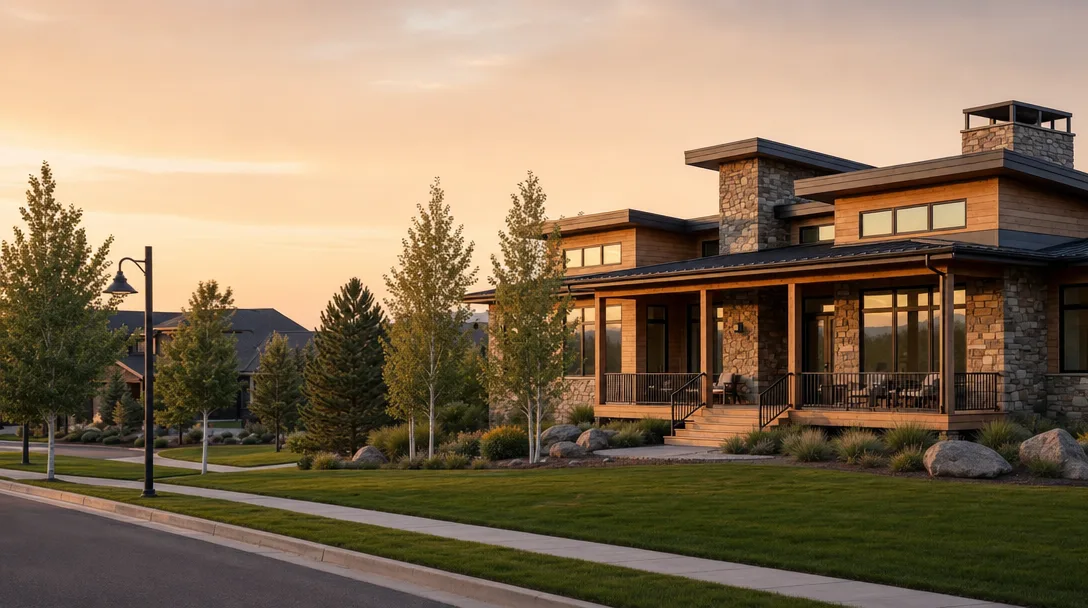
Buying a brand-new home in the Treasure Valley, in communities across Meridian, Star, Kuna, Nampa, and the edges of Boise, is exciting. But a new-construction contract reads differently from a resale purchase. You are agreeing to buy a home that does not exist yet, and the document that sets the price, timeline, and features is worth reading carefully before you sign. The good news is that the process is learnable, and knowing what to look for up front puts you in a far stronger position through the entire build.
Builder registration policies can affect how buyer representation is handled. Contact your agent before your first visit so you understand the process before signing in, registering, or making a commitment.
A new-construction contract is not a resale contract
When you buy a resale, you are buying a specific house in its current condition, and you can inspect it, measure it, and see exactly what you are getting. New construction is the opposite: you are contracting for a home still to be built, and that difference shapes the whole agreement. The closing date depends on construction progress rather than a fixed occupancy date. The features you receive are defined by the plans and specifications rather than an existing condition. And the contract governs how earnest money and deposits are handled and what happens if the timeline slips.
In Idaho, the purchase agreement for new construction typically covers the timeline, price, deposit, specifications, and contingencies. Each builder's contract can differ, and some builders use their own forms alongside the standard ones. That is why reading the actual document matters more than relying on what a brochure or a conversation implies, and why asking for a copy of the contract early, before you feel any pressure to sign, is a reasonable first step. Important terms, selections, incentives, and changes should be documented in writing so there is a clear record of what was agreed.
Know what's included, and what isn't
The base price a builder quotes is usually tied to a specific set of standard features, and the upgrades that change the final cost are often excluded. Common examples include flooring and lighting upgrades, landscaping, fencing, appliances, window blinds, air conditioning, and lot premiums for particular home sites. None of these are wrong to add; the point is to know before you commit what your finished home will really cost.
Ask for a written list of inclusions and exclusions, and confirm the final price in writing as you make selections. A practical habit is to treat the base price as a starting point and build your own budget line by line, rather than assuming the finished home will match the number from the first conversation. Budget for the extras you genuinely want, plus a cushion for the choices you will make at the design center, so the bottom line is not a surprise at closing. It is also reasonable to ask how each upgrade affects delivery timing, since some selections carry longer lead times than others.
Financing a new home: compare, don't just sign
Many builders allow buyers to use an outside lender, although incentives may be tied to a preferred lender. Review the contract and compare financing options carefully. Arranging your own financing, or comparing the builder's offer against outside lenders, is a normal step. Compare interest rates, lender fees, and how long each lender needs to close, because new-home construction timelines run on their own schedule and a lender who moves slowly can affect when you can actually close.
If financing is involved, the appraisal can affect the loan terms and the amount you may need to bring to closing. Review the contract so you understand what happens if the appraisal comes in below the purchase price. Get pre-approved early: deposit deadlines and construction timelines move quickly, and a buyer who waits may lose the lot or the terms they wanted. Pre-approval also gives you a realistic budget before you start choosing upgrades.
Earnest money, deposits, and change orders
Earnest money is the deposit that signals your commitment to the contract, and it is typically credited toward your purchase at closing. On top of that, many builders ask for additional deposits at milestones, such as at selection appointments or at stages like slab or drywall. The amounts and their timing should be spelled out in the contract so there are no surprises about when money is due.
Upgrades are normally handled through change orders: written amendments that describe the item and its price. Get every change order in writing and keep copies of each one. Some upgrade deposits or selections may become non-refundable at certain stages, so confirm the refund terms and deadlines in writing before approving changes. And because change orders adjust both what you are buying and what you are paying, keep a running total as selections are added rather than tracking each item in isolation.
Contingencies, inspections, and timelines
A new home still deserves attention while it is being built. Depending on the builder and contract, buyers may have opportunities for pre-drywall inspections, third-party inspections, and a final walkthrough. A pre-drywall inspection, for example, lets you or an independent inspector see the framing and systems before they are covered, and a final walkthrough before closing confirms that what is on your list has been finished. Ask the builder which of these options its contract allows, and which ones you can arrange yourself.
Timelines are the part of new construction that buyers most often misjudge. Construction schedules can shift with weather, labor availability, and material timing, and a target completion date is not the same thing as a guaranteed move-in date. Read what the contract says if the completion date slips, including whether an automatic closing-date extension applies and what remedies, if any, are available if the delay stretches on. Before waiving a contingency, make sure you understand what protection you are giving up and how that could affect your options later.
When the walkthrough finally arrives, take it slowly. Walk the home with a written checklist, note anything unfinished or damaged in writing, and confirm how the builder handles a list of remaining items before closing. A clear punch list agreed to in writing beats a verbal promise, because once you close, the leverage to get small items finished changes.
The builder's warranty
New homes usually come with a builder's warranty, and it pays to understand what it does and does not cover before you sign the final documents. Builder warranties vary significantly in what they cover, how long coverage lasts, how claims are submitted, and whether coverage transfers to a future owner. Read the warranty documents carefully and keep copies after closing.
After closing, the practical way to raise a warranty issue is a written request to the builder describing the problem. Keep your warranty documents, note any claim deadlines, and read the exclusions so you know which items the builder considers your responsibility. If you ever sell the home later, the warranty documents will state whether coverage can transfer to a new owner and what that requires.
Who represents you in the transaction?
In a new-construction sale, the person in the builder's sales office usually works for the builder. The builder's sales representative works for the builder, and a buyer's agent represents the buyer's interests in the transaction, subject to the representation agreement and applicable Idaho law. Knowing who works for whom is normal and worth understanding from the start, because it shapes who is looking out for your interests in the conversations about price, upgrades, and terms.
A buyer's agent can help you understand the transaction terms, identify questions to ask, track deadlines, compare options, and coordinate with the appropriate professionals when legal, lending, inspection, or construction questions arise. Buyer representation may also include helping you compare options, review timelines, compare incentives, and track the milestones of your transaction. That role does not replace legal advice; for a question about your legal rights or duties under a contract, an Idaho real estate attorney is the professional to consult.
Representation like this is typically confirmed in writing, so ask how agency works at the very first conversation and confirm it before you sign anything. It also matters whether you are registered before your first visit to a builder's sales office, since registration procedures can affect how representation is handled. When I represent a new-construction buyer, the goal is to help you feel informed and supported at every step, and the new-construction guide on this site walks through how I work with buyers from the first comparison through closing.
Treasure Valley new construction details worth asking about
On top of the contract terms, a few practical details are worth asking about and verifying in writing as you compare builders and sites. Frame these as questions rather than assumptions, because builders and communities differ. The community pages compare Boise, Eagle, Meridian, and Star, and if you are new to the area, the relocating-to-Boise guide gives more context for what to expect before you arrive.
- What does a lot premium add, and is it reflected in the finished price?
- What is included in the base price, and what is excluded?
- Which design-center selections are treated as upgrades, and when are decisions needed?
- What HOA and CC&R requirements apply, including dues, approvals, and rules?
- Who is responsible for irrigation and landscaping, and what is the timetable?
- Is fencing included, and what materials and placement are standard?
- Which appliances and window coverings are included?
- What incentives does the builder currently offer, and are they tied to a lender or title company?
- What is the current completion timeline, and how will changes be communicated?
- What are the final walkthrough and punch-list procedures?
- Are there community-specific fees or requirements that apply to your lot?
Questions to ask the builder
Bring a short checklist to the conversation so you can compare builders on the same terms. These are the questions I encourage buyers to ask:
- What is included in the base price?
- Which features or finishes are upgrades?
- What deposits are required, and when are they due?
- Which deposits or selections may become non-refundable, and at what point?
- How are change orders documented and priced?
- What happens if construction is delayed?
- What inspection opportunities are allowed?
- What warranties are provided, and how long does each cover?
- How are warranty claims submitted?
- Are incentives tied to a preferred lender or title company?
- What happens if the appraisal comes in below the contract price?
- What is the builder's buyer-agent registration policy, and when must I register?
- What is included in landscaping, fencing, irrigation, appliances, and window coverings?
- Are there HOA dues, transfer fees, or other community-related costs?
New construction FAQ
New construction raises the same questions again and again. Here are concise answers to the ones buyers ask most often.
Do I need an agent when buying new construction?
You are not required to work with an agent, and many buyers choose to. A buyer's agent can help you compare options, understand the transaction terms, track deadlines, and coordinate the right professionals. Because registration matters, it helps to contact your agent before visiting a builder so you know how representation works before you make a commitment.
Does the builder pay the buyer's agent?
Buyer-agent compensation and representation terms can vary by builder, transaction, and agreement. Review the representation agreement and builder policies before making assumptions about compensation.
Can I use my own lender?
Many builders allow buyers to use an outside lender, although incentives may be tied to a preferred lender. Review the contract and compare financing options carefully.
Can I have an independent inspection?
Depending on the builder and contract, you may be able to arrange for pre-drywall inspections, third-party inspections, and a final walkthrough. Ask which options the contract allows and which ones you can schedule yourself.
What happens if construction is delayed?
The contract is the place to look. It describes how completion dates, extensions, and delays are handled, so read what it says and ask for a written explanation of how changes to the timeline would be communicated.
Can I negotiate with a builder?
Builder flexibility varies by project, inventory, demand, incentives, timing, and builder policy. It is reasonable to ask which incentives and terms are available, and to compare them in writing, knowing that each transaction is looked at on its own.
Buy with clarity
Buying new construction can be a great way to get the home you want in the community you want, and the process goes more smoothly when the contract, timeline, and costs are clear from the start. Buyers who read carefully, ask questions, and keep written records of every decision tend to enjoy the experience far more than those who sign in a hurry.
Considering new construction in Boise, Meridian, Eagle, Star, or elsewhere in the Treasure Valley? Contact Sylvia before your first builder visit so you can understand the builder's registration process, representation options, incentives, contract timeline, and inspection opportunities before making a commitment. To start with the bigger picture, the buying guide covers the full process, reviews from past clients show what working together is really like, and for higher-end builds the luxury home buying guide goes deeper. Quick answers to many other questions are on the FAQ page , and you can ask Sylvia your questions directly at any time.

Written by Sylvia Dorrance
REALTOR with eXp Realty, serving Boise, Eagle, Meridian, Star, and the Treasure Valley. 12+ years of real estate experience, with 100+ homes represented for buyers and sellers. Questions about this article? Ask me directly.