
 By Sylvia Dorrance, REALTOR®, eXp Realty
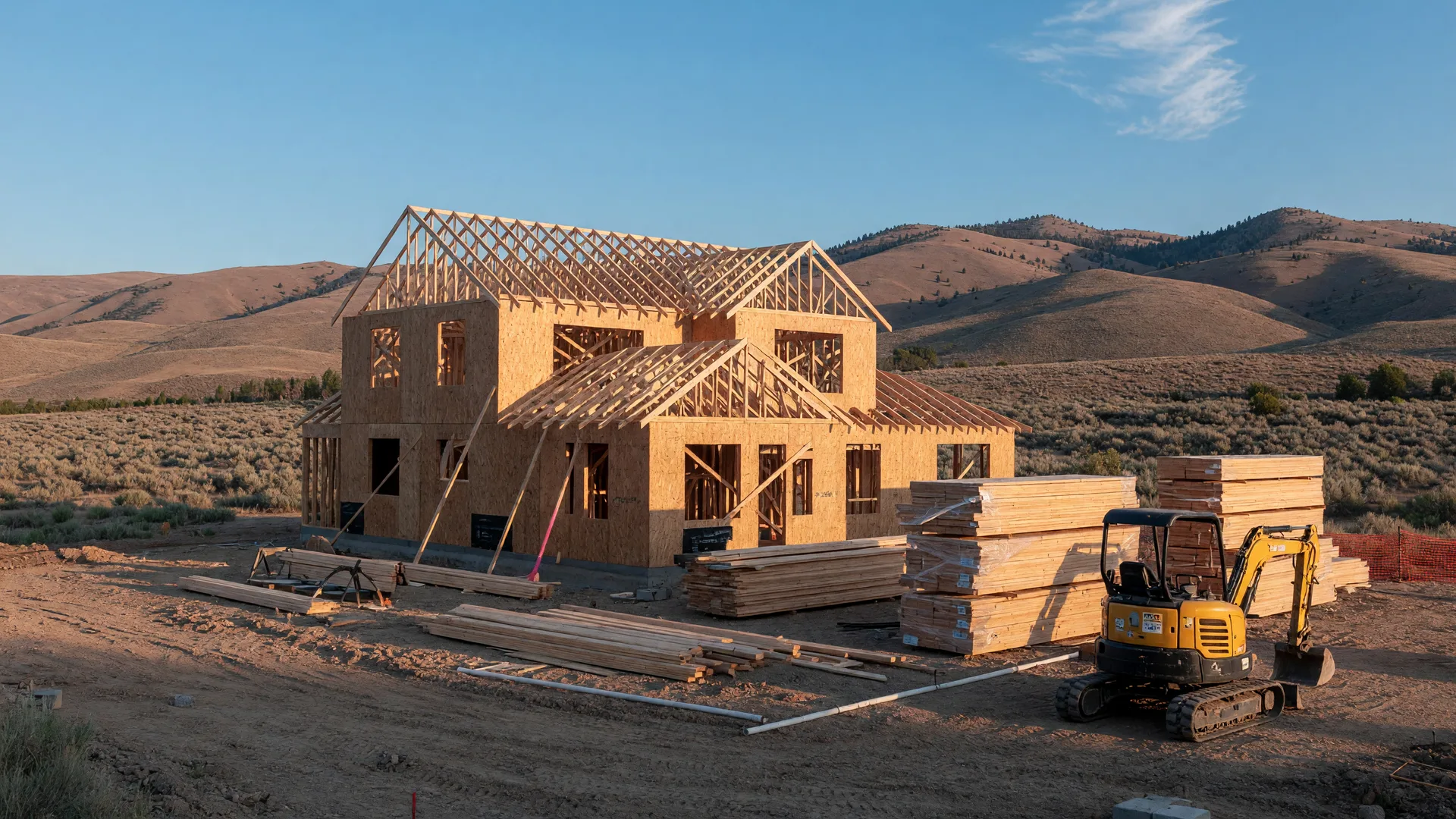
Deciding to build a custom home in the Boise area, known locally as the Treasure Valley, is a different process from buying a completed house. In Eagle and Star, new construction includes both subdivision builds and homes on individual parcels, and when you build custom you are not just choosing the floor plan, the finishes, and the site. You are also deciding how the project will be run: who is responsible for permits, how changes get priced, when money changes hands, and what happens at the very end when the house is finished. The questions below are the ones to settle before you sign a contract, not after the first foundation pour.
Start with the builder
Before any design decisions, confirm who you are hiring. Idaho requires contractors to register with the Idaho Contractors Board, part of the Division of Occupational and Professional Licenses (DOPL). Ask the builder for their registration number, then verify it through DOPL before you sign. Registration is a public-protection requirement, not a skills test, so it is the starting point rather than the whole check. Ask for references from homes they completed in the last couple of years, and follow through: visit one of those homes, and ask the owners about the schedule, the budget, how changes were priced, and how problems were handled. A builder who resists these questions is telling you something. A straightforward, experienced builder expects them.
Know which building department is in charge
Where the home sits determines which agency issues the building permit, applies the codes, and performs inspections. Inside Eagle city limits, that is the City of Eagle Building Division, which requires a building permit for new construction and lists the code editions it enforces on its Building Division page. The city's building permits page is where the adopted editions appear, so if you want to check a specific requirement, that is the official page to open. Outside city limits, the county building department is the authority. In unincorporated Ada County, that is the Ada County Development Services Building Division, which issues permits and enforces the Ada County building code. Inside Star city limits, permits and inspections run through the City of Star Building Department; its FAQ notes that contractors applying for permits must hold a current state registration. In Canyon County, it is the Canyon County Development Services Building Department, where a permit is required before construction begins on any building or structure. The Star area can sit in either county, so the answer is property-specific. Early in the process, confirm the parcel's location: inside a city, in unincorporated Ada County, or in unincorporated Canyon County. That one fact decides which office you will deal with for the life of the project, and it determines which code editions, permit forms, fees, and inspection processes apply.
Understand the contract and the allowances
A custom build contract should be specific about what the base price includes: the square footage, the site work, the foundation, the framing package, and the interior finish items. Many custom contracts use allowances for items like cabinets, flooring, and fixtures, and the price can drift quickly if the allowance amounts are low. Ask for the allowance list in writing, compare it to the products you actually want, and settle the difference before signing. Know whether the contract is fixed price or cost plus, because the two behave very differently when the market moves. And understand the change-order process before you need it: every change, in writing, signed by both parties, with the price and the schedule impact stated before the work is done. A verbal "we'll figure it out later" is how budgets disappear.
Tie payments to progress and inspections
Payment schedules are negotiable, and the structure matters more than the total. Avoid paying most of the contract upfront. Instead, tie draws to completed stages of work, and where possible, to work that has passed inspection. This gives you leverage at exactly the moments when things can go sideways: framing, rough-in of mechanical systems, and the finish phase. The final payment should not be due until after the final inspection and your walk-through are done and the punch list is satisfied. Your leverage at the end of the job is the last payment, so do not hand it over early.
Protect yourself from liens
Idaho's mechanics lien law, Idaho Code Title 45, Chapter 5, gives people who perform labor or furnish materials for construction a right to claim a lien against the property if they are not paid. That protects subcontractors and suppliers, and it also means an unpaid subcontractor can become the owner's problem even after the general contractor has been paid. Practical protections: ask the builder which subcontractors and suppliers are planned, ask for lien waivers from the builder and major subcontractors and suppliers as each payment is released, and collect lien releases before the final payment. If anything about the lien process is unclear, ask a real estate attorney before you sign.
Follow the permit and inspection trail
Your builder will normally pull the permit, but it is your house and your project. Ask for the permit number and track the inspection schedule. Inspectors review the work in stages: structural, mechanical, electrical, plumbing, and life-safety items, depending on the jurisdiction. In Ada County, inspection services for unincorporated areas are scheduled through the Ada County Development Services Inspection Request page. Ask the builder after each inspection what was found and what was corrected. A clean inspection record is one of the best documents you will own at the end of the build, and it is worth knowing it exists before closing.
Finish the build properly
The last phase deserves its own plan. The jurisdiction issues final approval before the home is used and occupied: in Eagle, permits cover use and occupancy, so the certificate of occupancy or its equivalent is the document that says the house is legally ready to live in. Make sure the final inspection is scheduled and passed, and do not move in before that approval exists. Then do a punch list: walk the finished home room by room with the builder, listing every incomplete item, damaged finish, or detail that needs correction, and agree in writing on the date it will be done. Do a final walk-through after the punch list is complete, not before. Finally, get the warranty terms in writing: what is covered, for how long, and exactly how to file a claim. Ask the builder to confirm the warranty process in the contract or a separate written document, and keep it with your closeout file along with the manuals, the as-built drawings, and the inspection records. The last few weeks of a build decide how you remember the whole project, and they are also where the details get lost if they are not written down.
Who permits and inspects your build
| Location | Who issues permits and inspects | Notes |
|---|---|---|
| Inside Eagle city limits | City of Eagle Building Division | Enforces the code editions listed on its Building Division page |
| Inside Star city limits | City of Star Building Department | Contractors applying for permits must hold current state registration |
| Unincorporated Ada County | Ada County Development Services, Building Division | Inspections scheduled through Ada County's Inspection Request page |
| Unincorporated Canyon County | Canyon County Development Services, Building Department | Permit required before construction of any building or structure |
Sylvia's take
A custom home is a long project, so choose the builder the way you'd choose a partner: check their registration, read the contract slowly, and get every change in writing. A clear process up front makes the build far more enjoyable.
Frequently asked questions
Should I verify that my builder is a registered contractor?
Yes. Idaho requires contractors to register with the Idaho Contractors Board. Ask for the registration number and verify it through the Division of Occupational and Professional Licenses (DOPL) before you sign.
Which building codes apply to a custom home in Eagle?
The code editions the City of Eagle Building Division lists on its Building Division page, and the city's building permits page shows which editions are adopted.
Do I still need a permit if I hire a contractor?
Yes, the property needs a building permit. The issuing office is the city if the home is inside city limits, or the county building department if it is outside.
What is a mechanics lien?
Under Idaho Code Title 45, Chapter 5, contractors, subcontractors, and suppliers who are not paid can claim a lien against the property. Lien waivers as payments are released, and lien releases before final payment, help protect the owner.
What is a certificate of occupancy?
The jurisdiction's final approval that a completed home may be used and occupied, issued after the final inspection passes.
When should the final payment be made?
After the final inspection, the punch list, and the final walk-through are complete, and once the warranty terms are in writing.