 By Sylvia Dorrance, REALTOR®, eXp Realty
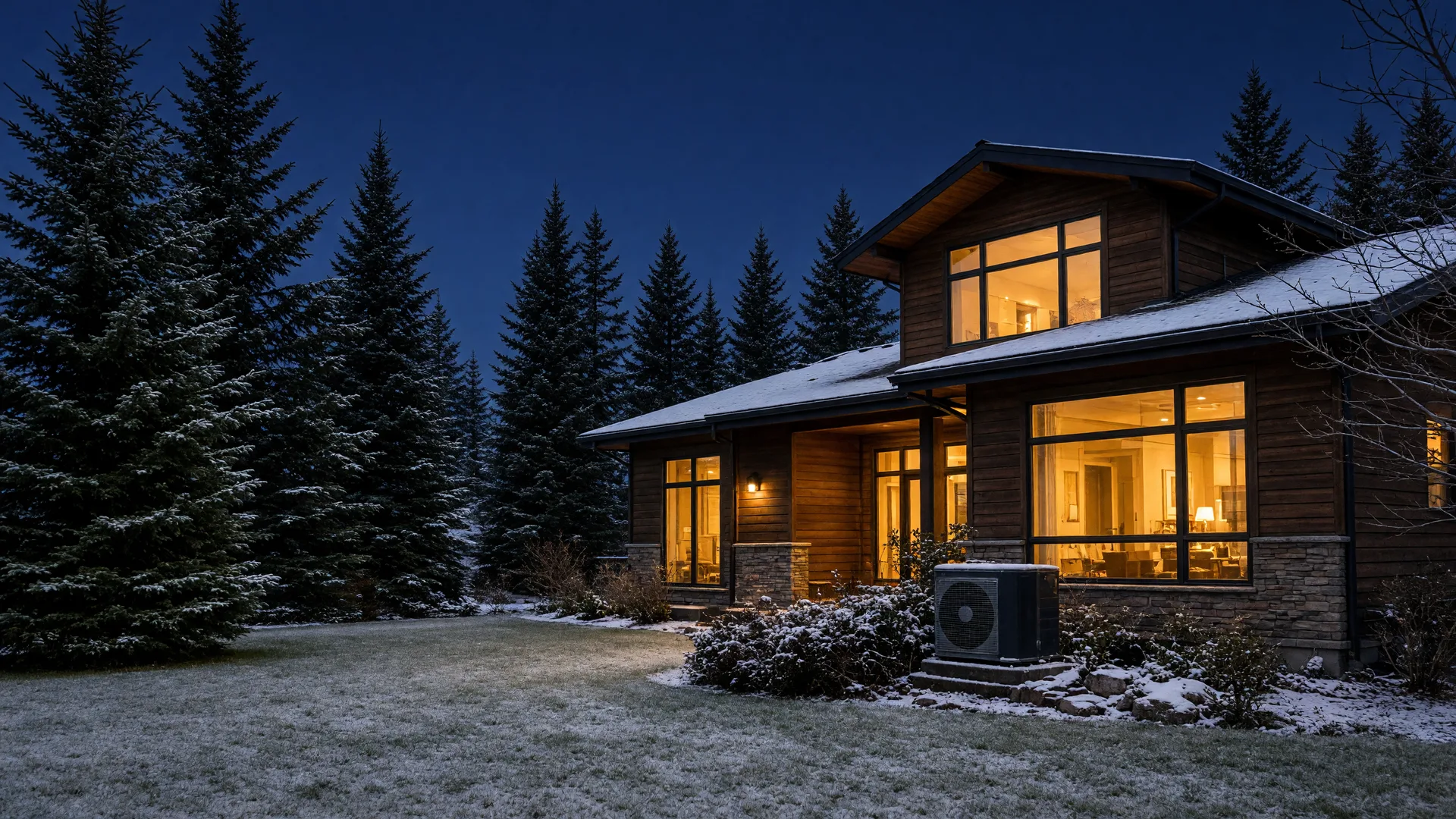
Winter heating in the Boise area, known locally as the Treasure Valley, comes down to two energy sources: natural gas, delivered by Intermountain Gas Company, and electricity, delivered by Idaho Power. Most Idaho homes heat primarily with natural gas, and electric heat pumps are an option, especially in newer homes. This guide explains how heating works in Boise-area homes, the efficiency programs and rebates each utility lists on its official pages, and where to find the utility bills answer. It links the site's winter weather guide and fall and winter maintenance guide rather than repeating them.
A note on numbers: this post does not quote utility rates, because rates change and each home is different. It lists the rebate amounts Intermountain Gas publishes on its appliance rebates page as of November 6, 2026, and points to the utilities' official pages for everything else.
| Topic | What to know | Where to check |
|---|---|---|
| Electricity | Idaho Power supplies much of the Boise area; its heating and cooling program covers qualifying heat pumps | Idaho Power, Rebates and Offers |
| Natural gas | Intermountain Gas Company supplies much of the Boise area; most Idaho homes heat primarily with natural gas | Intermountain Gas, Residential Energy Efficiency |
| Efficiency programs | Both utilities list residential efficiency programs and rebates on their official pages | Utility program pages |
| Cost picture | No single figure fits; the utility bills answer explains how to estimate a specific home | Utility bills answer |
Program details are exactly as the linked utility pages publish them as of November 6, 2026.
How heating works in Boise-area homes
The energy source for a Boise-area home is set by the address: Idaho Power supplies electricity across much of the region, and Intermountain Gas Company delivers natural gas across much of the region, and not every home is on both. The home's own equipment decides how that energy becomes heat. Which system a particular home has depends on when it was built and what it was equipped with, so the home's equipment list and the providers for the address are the record of truth.
At the state level, the U.S. Energy Information Administration's 2020 residential survey found that about 61% of Idaho homes used natural gas as their main space-heating fuel and about 26% used electricity. See EIA's state space heating fuels data for the state-level picture. For the Boise area, the utilities' own program pages, linked below, describe the equipment each company's programs support, which is the practical record of how homes in the area heat.
Idaho Power's efficiency programs
Idaho Power's Rebates and Offers page is the hub for its residential programs. The Heating and Cooling Efficiency Program covers qualifying heat pumps, central air conditioning, duct and air sealing, and smart thermostats installed by participating contractors, which is the program that matters most for winter heating. The Residential New Construction Program provides incentives to builders of qualifying all-electric homes built above state energy code. Idaho Power also offers free energy savings kits to customers who pay their own bill. Current incentive amounts are published on each program page.
Intermountain Gas Company's efficiency programs
Intermountain Gas Company's Residential Energy Efficiency page is the starting point for natural gas customers. Its appliance rebates page lists 2026 rebates including $275 for a qualifying 95% AFUE furnace, $325 for a qualifying tankless water heater, and $800 each for qualifying boilers and combination boiler systems, as published on the page as of November 6, 2026. The terms and conditions page explains eligibility, including that customers must heat their home exclusively with Intermountain Gas natural gas to qualify for the space-heating rebates. The program also includes whole-home rebates for qualifying new construction.
Where the winter picture comes together
Three other resources on this site fill in the rest of the winter picture. The winter in the Boise area guide covers what the season brings, and the fall and winter home maintenance guide covers furnace inspection and cold-weather preparation. For what a specific home actually costs to heat, the utility bills answer explains how to use the sellers' recent bills and the utilities' rate pages to build a realistic estimate.
Sylvia's take
Understanding how a home heats is one of the most useful things a buyer can learn before an offer, and it is a question worth asking sellers directly. My advice: confirm the home's equipment and its providers, check both utility program pages for what is available, and ask for recent winter utility bills. The official pages answer the rest.
Frequently asked questions
What heats most homes in the Boise area?
Most Idaho homes use natural gas as their main space-heating fuel, and electricity is the second most common, per EIA's state-level residential data. Intermountain Gas supplies natural gas and Idaho Power supplies electricity across much of the Boise area.
Are electric heat pumps common in Boise-area homes?
Electric heat pumps are an option for area homes, and Idaho Power's heating and cooling efficiency program covers qualifying heat pumps. Whether a particular home has one depends on how it was built and equipped.
What efficiency programs does Idaho Power offer?
Idaho Power's Rebates and Offers page lists its residential programs, including the heating and cooling efficiency program, the residential new construction program, and energy savings kits. Current incentive amounts are on the program pages.
What rebates does Intermountain Gas offer?
Intermountain Gas's residential energy efficiency page lists 2026 appliance rebates, including rebates for qualifying high-efficiency furnaces, tankless water heaters, and boilers, with eligibility rules on the terms and conditions page.
How much does it cost to heat a home in the Boise area?
There is no single figure. The utility bills answer explains how to estimate a specific home using the sellers' recent bills and the utilities' rate pages.