
 By Sylvia Dorrance, REALTOR®, eXp Realty
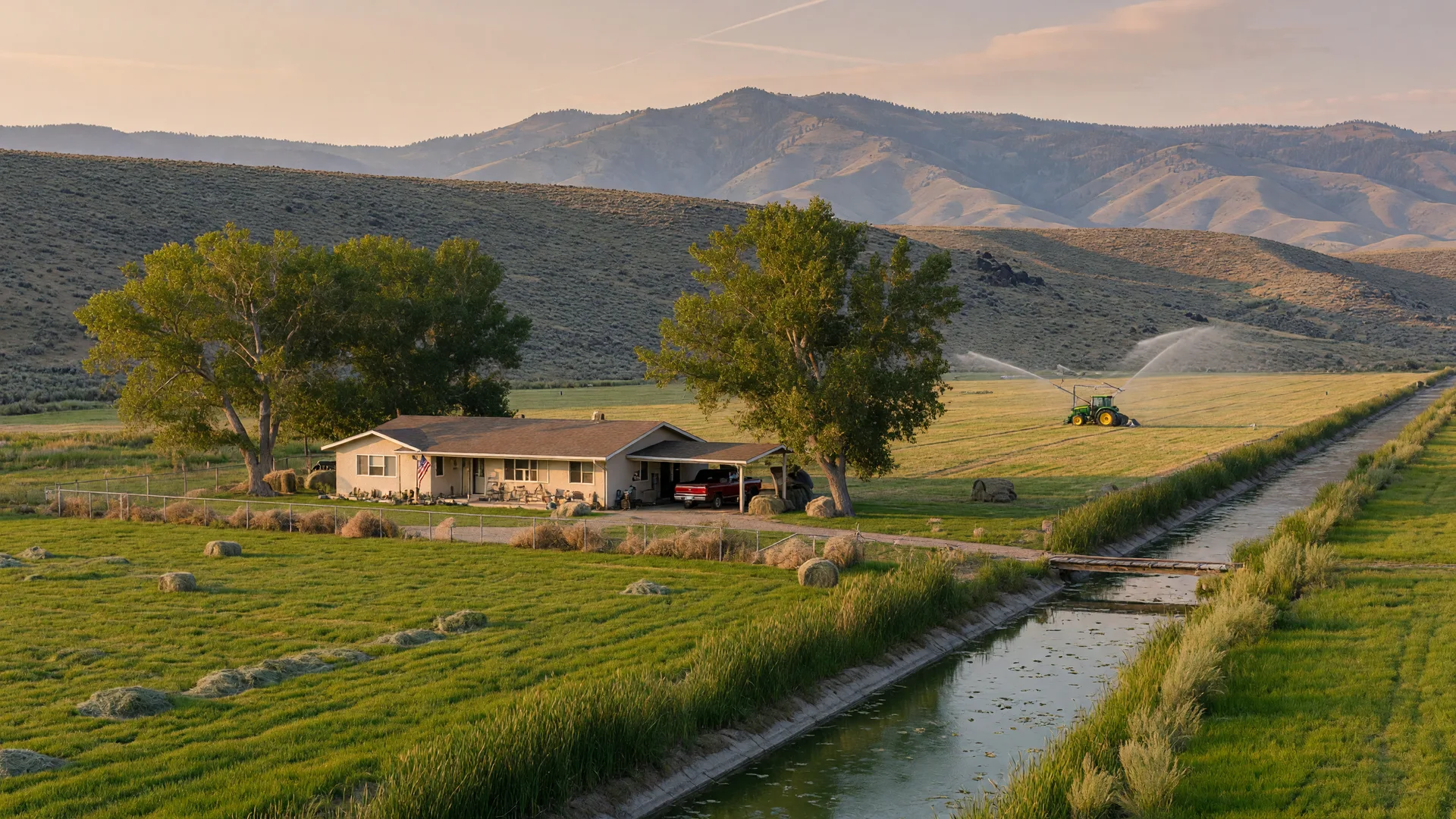
Selling a home on acreage in Eagle or Star, in the Boise area, known locally as the Treasure Valley, is as much a records exercise as a marketing one. The house matters, but on acreage the facts that surround it matter just as much: what county the land is in, how it is zoned, where the water comes from, how the septic system is permitted, and how irrigation reaches the ground. Buyers, and their lenders and inspectors, will ask about all of it. The good news is that most of the answers are a matter of public record. This guide is the list of what to gather and where to find it.
Know which county, and which rules, apply to the parcel
Eagle sits in Ada County, and the city and the surrounding unincorporated areas are governed accordingly. Star is different: the Ada-Canyon county line runs through the Star area, so part of Star is in Canyon County. A parcel's zoning is set by the jurisdiction that has authority over it. For homes outside city limits, that is the county: Ada County Development Services handles planning and zoning in unincorporated Ada County, and the Canyon County Development Services Planning and Zoning division governs zoning in unincorporated Canyon County, with the county's zoning regulations establishing the allowed uses and development standards for each parcel. Inside city limits, the city's planning and building departments apply. Before you list, confirm two facts for the parcel: which county it is in, and what the zoning designation is. Buyers will start there, and the answer shapes what can be done with the land, from outbuildings to additional housing to how the property can be divided.
Pull the well construction records
Many acreage homes are served by private wells, and in Idaho, well construction records are public. The Idaho Department of Water Resources administers the rules governing well construction statewide and keeps the well driller's reports on file. Its Well Construction and Drilling page explains how to search: each well has a well tag number consisting of a D followed by seven digits, and the search accepts the tag number, a township-range-section location, the physical address, or the name of the owner. The records show the well's size and depth, the geology encountered, the depth to water, water levels, flow rate, and construction method, along with scanned copies of historical documents. The tag number can be found on historical well documents or on the well itself. At showings, pull the driller's report before a buyer asks for it; it takes minutes and it answers the water question with a document instead of a story.
Know who permits the septic system
Homes on acreage that do not have sewer service rely on an onsite wastewater system, and septic permits are issued by the public health district that serves the county. In Ada County, that is Central District Health, whose environmental health program permits septic systems and reviews land development applications for subdivisions that rely on individual wells and septic systems. In Canyon County, including the Canyon County portion of the Star area, that is Southwest District Health, which handles septic and land development for its district. The district issues the permit for a new system, and existing homes have a permit history on file that a buyer's inspector will want to see. Ask for the septic permit and any maintenance or inspection records before listing, and be ready to share them.
Understand the irrigation picture
Many acreage parcels receive irrigation water from an irrigation district or canal company, separate from any domestic well. The Idaho Department of Water Resources describes irrigation districts as public, semi-municipal organizations controlled by local landowners that deliver water and assess patrons for the operation and maintenance of the delivery system, and it maintains a map of irrigation organizations so you can identify the one serving a parcel. The district or canal company that serves the property is the authority on the details: the assessment amount, how delivery works, and the schedule for the season. If you own the parcel, you already know which organization bills you; if you are unsure, the IDWR irrigation organizations map or the irrigation district itself can confirm it. Put the district's name, the assessment, and the delivery terms in your listing notes so buyers understand that the water is part of the property's systems, not an afterthought.
Get the water right straight
Irrigation delivery and a water right are related but not the same thing. Idaho Code Section 55-617 provides that when real property is transferred, appurtenant water rights pass with the land unless the seller reserves them. The Idaho Department of Water Resources (IDWR) should be notified of a change in water right ownership, and if anything about the right itself is changing, such as the point of diversion, place of use, period of use, or nature of use, a transfer application is required. Pull the IDWR water right records before you list, so the listing describes the water accurately.
Prepare the disclosure
Idaho's Property Condition Disclosure Act, Idaho Code Title 55, Chapter 25, requires sellers of residential property to complete the disclosure form and deliver it to the buyer within ten calendar days of accepting the buyer's offer. For acreage, completeness matters: water rights and irrigation, the well, the septic system, easements, outbuildings, and anything unusual about the land belong on the form. This is general information, not legal advice.
How irrigation season affects showings
Irrigation is seasonal, which means the same parcel can look very different on different tour dates. During the delivery season, irrigated ground is green and growing, while the same ground before the season starts, or after it ends, can be dry and dormant. That is the normal working rhythm of agricultural and acreage ground, not a defect, but it is worth planning around. If you are showing in the off-season, say so in the listing and tell buyers the irrigation schedule; if you are showing mid-season, the watered appearance is a fair preview of what they are buying. The point for sellers is simple: a buyer should never leave a showing wondering whether the water works. Tell them where the water comes from, who delivers it, and what it costs, and show them the record for the well, the septic permit, and the irrigation assessment, and the property speaks for itself.
The files to have ready
Before you list, assemble: the parcel's county and zoning designation; the well tag number and driller's report; the septic permit and any maintenance records; the irrigation district or canal company, assessment, and delivery terms; and the property's disclosure forms. Keep the set in one folder so it can go to a buyer or their lender the day it is requested. The Ask Sylvia answer on buying land or acreage in the Boise area covers the buyer side of these questions; this list is the seller's mirror image. Acreage is a market where documents answer the hard questions, and the seller who brings the documents to the table from day one is the seller who never has to chase them at the end.
Acreage checklist by jurisdiction
| Location | Zoning | Septic | Well and water right records |
|---|---|---|---|
| Unincorporated Ada County | Ada County Development Services | Central District Health | IDWR |
| Unincorporated Canyon County (including part of Star) | Canyon County Development Services, Planning and Zoning | Southwest District Health | IDWR |
| Inside Eagle or Star city limits | City planning and zoning | City sewer where available; otherwise the county's health district | IDWR |
Sylvia's take
With acreage, buyers are buying the land as much as the house. Gather your water, septic, survey, and zoning records before you list, and you'll answer the hard questions before anyone has to ask them.
Frequently asked questions
Is part of Star in Canyon County?
Yes. The Ada-Canyon county line runs through the Star area, so parcels on the Canyon County side follow Canyon County zoning and use Southwest District Health for septic permits.
Who issues septic permits for acreage in this area?
The health district for the county: Central District Health in Ada County and Southwest District Health in Canyon County.
How do I find a home's well records?
Through the Idaho Department of Water Resources well construction search, using the well tag number, a township-range-section location, the address, or the owner name.
Who delivers irrigation water on acreage?
The irrigation district or canal company serving the parcel. IDWR maintains a map of irrigation organizations, and the district itself sets assessments and delivery schedules.
Does my water right transfer automatically when I sell?
Idaho Code 55-617 provides that appurtenant water rights pass with the land unless the seller reserves them. IDWR should be notified of the ownership change, and a transfer application is needed if the point of diversion, place of use, period of use, or nature of use changes.
When do I deliver the seller disclosure?
Under Idaho's Property Condition Disclosure Act, within ten calendar days of accepting the buyer's offer.
Why does the same property look different at different times of year?
Irrigation water is delivered on the district's seasonal schedule, so irrigated ground is green during the delivery season and can be dry and dormant outside it. That is normal, and the listing should state the irrigation source and schedule.