
 By Sylvia Dorrance, REALTOR®, eXp Realty
The residency steps are the same no matter which state you come from: you have 30 days from residing in Idaho to exchange your out-of-state driver's license with the Idaho Transportation Department, your vehicle must be titled and then registered through the Ada County motor vehicle offices (with locations in Boise, Meridian, and Star), voter registration runs through the Secretary of State's VoteIdaho portal, and the homeowner's exemption, filed with the county assessor, can exempt part of a primary home's value from property tax. The full walkthrough, with every official link, is the existing post on driver's licenses, vehicle registration, and voter registration in Idaho , so this guide spends its words on what changes when you come from the desert.
Taxes and costs, briefly. Both Arizona and Idaho have a state income tax, and a mid-year move usually means a part-year resident return in each state. For current rates, see the Arizona Department of Revenue and the Idaho State Tax Commission. On overall price levels, the U.S. Bureau of Economic Analysis publishes Regional Price Parities, which express each state's price level as a percentage of the national average of 100. In BEA's 2024 state table, Idaho's all-items RPP is 95.5, below the national level, and Arizona's is 100.7, essentially at it. This is general information, not tax advice, and a tax professional can model your specific numbers.
Utilities are local. Idaho Power and Intermountain Gas serve much of the Boise area; confirm the providers for a specific address, because some homes are all-electric and some neighborhoods sit outside the gas footprint. Water, sewer, trash, and recycling are billed by the city or district serving the property, and the Ask Sylvia answer on setting up utilities after moving walks through the order of operations, from the closing date to the first bills.
From desert heat to four seasons. Arizona taught you heat; the Boise area teaches you seasons. The National Weather Service describes the local climate as semi-arid with relatively mild conditions, and it notes that the Rocky Mountains to the east act as a barrier to cold shallow air masses moving southward from Canada in winter, with the surrounding ranges shaping the valley's weather. The result is a four-season year: warm summers, crisp falls, real winters, and springs that arrive gradually, and the National Weather Service's Boise climatology page keeps the official records and extremes for the area. The Boise-area weather by season post gives the month-by-month picture, and it is worth reading before you shop for a home, because seasonal weather shapes everything from the yard to the garage.
Winter driving is a new skill. Desert drivers rarely think about snow, ice, and braking distance; Idaho drivers do. When the snow arrives, the rules of the road change, and the winter driving in Idaho post covers what that means, from how the roads behave to how to drive them. If you are moving in with a vehicle used to desert pavement and desert tires, plan the first snowfall carefully and give yourself room to learn.
What a home needs in a four-season climate. A home built for Arizona heat is not set up for Idaho winters. Before the first hard freeze, a Boise-area home wants: furnace service, so the heating system is checked and clean before it carries the winter; insulation and weatherstripping, so heat stays in and drafts stay out; freeze protection for exterior pipes and sprinkler systems; and irrigation shut-off and blowout, so water drains from the lines before ice can crack them. The same home that ran air conditioning in August needs its furnace checked before November, and sprinklers that ran all summer get blown out before the ground freezes. The fall and winter home maintenance post walks through the seasonal checklist in order.
Outdoor life runs on four seasons. The Boise area is built around the outdoors, and the seasonal rhythm is part of the point. The Ridge to Rivers trail system, managed by a partnership that includes Ada County Parks & Waterways, maintains more than 190 miles of trails in the foothills above the valley, linking neighborhoods with public lands. The Boise River Greenbelt, managed by the City of Boise, runs 29 miles along the river through the heart of the city, a tree-lined pathway that connects parks, neighborhoods, and downtown, and this site's Greenbelt post covers what the system links and how residents use it year-round. In winter, Bogus Basin, a nonprofit mountain recreation area in the mountains above Boise, where the regular operating season brings skiing and snowboarding with evening hours; its official website publishes the current season's operations. Coming from Arizona, the difference is that the year has a rhythm: hiking and river time in the warm months, snow sports in the cold ones, and a city built around both. The weather-by-season post and the winter driving post are the two planning documents to read before the first snowfall.
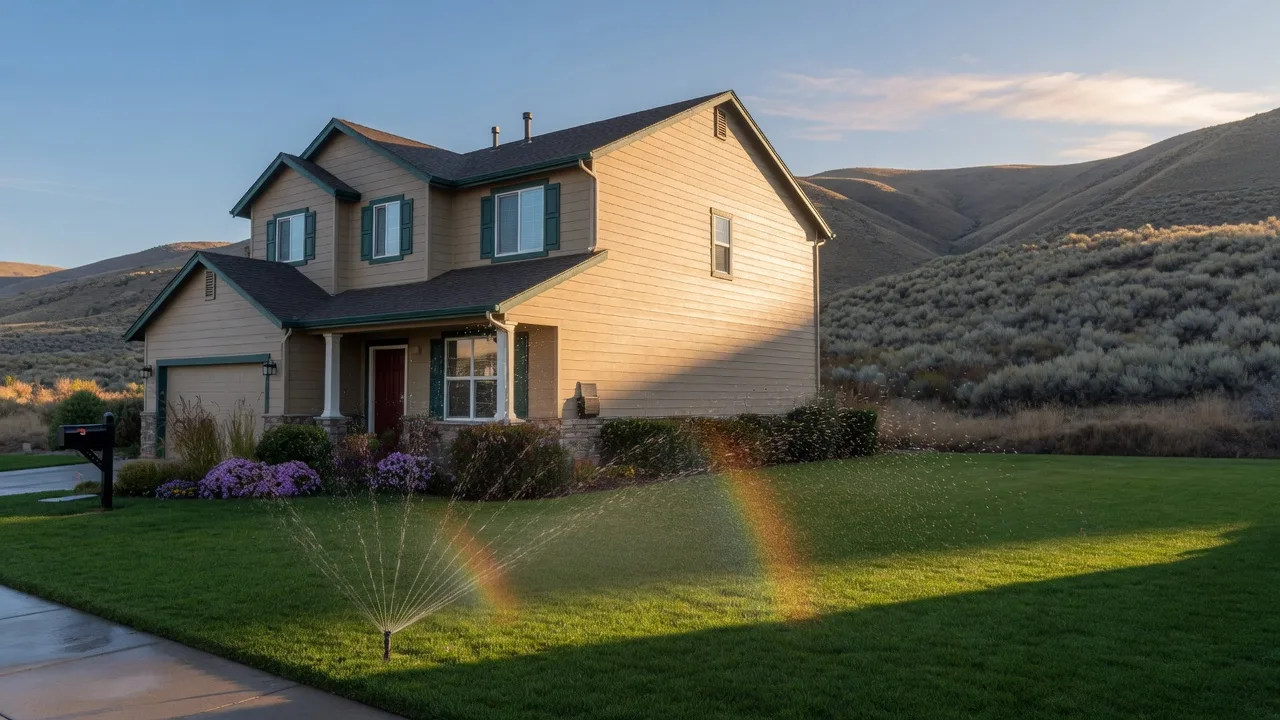
Water and yards: from desert landscaping to irrigation. In much of Arizona, water conservation is built into the yard: drip lines, gravel, native plantings, and the mindset that water is scarce. The Boise area runs the other direction: the valley's identity is irrigated. Many homes across the Boise area have lawns and landscaping watered by an irrigation district or canal company, billed separately from domestic water and delivered on a seasonal schedule. That means the yard is green in summer because the water was ordered and paid for, and the water itself is a property system: who delivers it, what it costs, and when the season runs. During the delivery season the ground is green and growing; outside it, the same ground can be dry and dormant, which is the normal rhythm of irrigated land, not a defect. The Ask Sylvia answer on irrigation water explains how the system works, from the delivery season to the off-season look of the ground. If the home is on acreage with a private well, the well construction records are public and searchable through the Idaho Department of Water Resources. Coming from desert landscaping, budget for the transition: an irrigated yard has a watering bill, a schedule, and a shut-off ritual every fall, and a yard without irrigation will show it.
Checklist
| Task | Where to start |
|---|---|
| Driver's license within 30 days | ITD New to Idaho page |
| Vehicle title and registration | Ada County motor vehicle offices |
| Voter registration | VoteIdaho |
| Income tax filing | Idaho State Tax Commission (and Arizona Department of Revenue for your Arizona return) |
| Homeowner's exemption | County assessor |
| Winter prep and irrigation | Fall and winter home maintenance post; irrigation water answer |
Sylvia's take
The paperwork is the easy part. The real adjustment is the seasons. Get the furnace checked, learn your irrigation schedule, and give yourself a winter to learn the roads.
Frequently asked questions
How soon do I need an Idaho driver's license after moving from Arizona?
Within 30 days of residing in Idaho. The driver's license, vehicle registration, and voter registration post covers the full process with links.
Do I need to register my Arizona vehicle in Idaho?
Yes. The vehicle must be titled in Idaho before it can be registered, and registration runs through the Ada County motor vehicle offices.
What is winter like compared with Arizona?
The Boise area has four distinct seasons with real snow and ice. The National Weather Service describes the valley as semi-arid and relatively mild, and the winter driving and weather-by-season posts cover what to expect.
Do Boise-area homes have irrigation water?
Many do, across the Boise area. Irrigation water is delivered by an irrigation district or canal company on a seasonal schedule, separate from domestic water.
What home maintenance does the first winter require?
Furnace service, insulation and weatherstripping, freeze protection for exterior pipes and sprinklers, and irrigation shut-off and blowout. The fall and winter home maintenance post has the full checklist.